
 Send Inquiry
 +919136081161+919136081161

 Send Inquiry
Automotive Element Oil Cooler
Price 2400.0 INR/ Piece
MOQ : 1 Piece
Automotive Element Oil Cooler Specification
- Material
- MS , COPPER, STEEL
- Weight
- 1050 Grams (g)
- For Use In
- Auto Oil Coolers
- Finish
- Smooth
- Product Type
- Auto Element for Oil Cooler
- Color
- Silver
Automotive Element Oil Cooler Trade Information
- Minimum Order Quantity
- 1 Piece
- FOB Port
- As per Requirements
- Supply Ability
- 2000 Pieces Per Month
- Delivery Time
- 30
- Sample Policy
- Within a certain price range free samples are available
- Packaging Details
- Export Worthy
- Main Export Market(s)
- Asia, Australia, Central America, North America, South America, Eastern Europe, Western Europe, Middle East, Africa
- Main Domestic Market
- All India
- Certifications
- ISO 9001:2015 Certified
About Automotive Element Oil Cooler
Canter -
4D31 , FE4 - ME014766;
4D32 , 4D34 , FE515 , FE6 , FE8#P - ME013360;
4P10 , FEB , FEC - MK667383;
Fuso -
6D16 , FK61# - ME074332;
Mazda -
SL T3500 - SL07-15-600;
Isuzu -
4HF1 - 8-97334-101-0;
4HG1 - 8-97334-101-1;
4HK1 - 8-97334-100-2;
6BG1 - 1-11282-015-1;
Durable Materials & Smooth Finish
Engineered from mild steel (MS), copper, and steel, this oil cooler offers exceptional strength and corrosion resistance. Its carefully polished silver finish adds an aesthetic touch while ensuring minimal buildup and easy maintenance. This combination of materials and finishing process guarantees reliable operation even under demanding conditions.
Efficient Cooling Performance
Designed specifically for automotive applications, this oil cooler efficiently manages engine oil temperatures, preventing overheating and maintaining optimal performance. Its 1050-gram build reflects a balance of sturdiness and lightweight design, allowing for easy installation and long-term reliability in auto oil cooling systems.
Versatile Applications for the Automotive Industry
This element oil cooler is suitable for use in multiple areas of the automotive supply chain, including distribution, export, import, manufacturing, and service provision. Its adaptable design and dependable functionality make it a vital component for both vehicle manufacturers and aftermarket service providers across India.
FAQ's of Automotive Element Oil Cooler:
Q: How is the Automotive Element Oil Cooler typically installed?
A: The oil cooler is installed within a vehicle's oil circulation system. It is mounted securely and connected with inlet and outlet hoses, ensuring proper oil flow for effective cooling. Installation should be carried out by a skilled technician to guarantee optimal performance and safety.Q: What materials are used in the construction of this oil cooler?
A: This oil cooler is manufactured from a combination of mild steel (MS), copper, and steel, offering exceptional thermal conductivity and corrosion resistance. The smooth silver finish further enhances its durability and aesthetic appeal.Q: When should an automotive oil cooler be replaced?
A: An oil cooler should be replaced when there are visible signs of leaks, clogging, corrosive damage, or if the engine experiences frequent overheating. Regular inspections during scheduled maintenance can help determine the right time for replacement.Q: Where can I purchase or source the Automotive Element Oil Cooler in India?
A: This product is available through reputable distributors, exporters, importers, manufacturers, suppliers, and traders throughout India. Service providers in the automotive sector can also assist in sourcing and installing the appropriate oil cooler for your vehicle.Q: What is the primary process behind the oil cooler's heat dissipation?
A: The oil cooler operates by circulating engine oil through its finned core, made from copper and steel. As oil passes through, heat transfers from the oil to the cooler's surface, allowing it to dissipate into the atmosphere and regulate engine temperature efficiently.Q: How does using this oil cooler benefit my vehicle?
A: By efficiently managing oil temperatures, this cooler reduces the risk of engine overheating and oil breakdown. This leads to improved engine longevity, enhanced performance, and overall reliability, particularly under demanding driving conditions.Q: What are the recommended usage scenarios for this oil cooler?
A: This oil cooler is ideal for a wide variety of automotive applications, including passenger cars, commercial vehicles, and high-performance engines. It is especially recommended for vehicles that frequently operate under heavy loads or in high-temperature environments.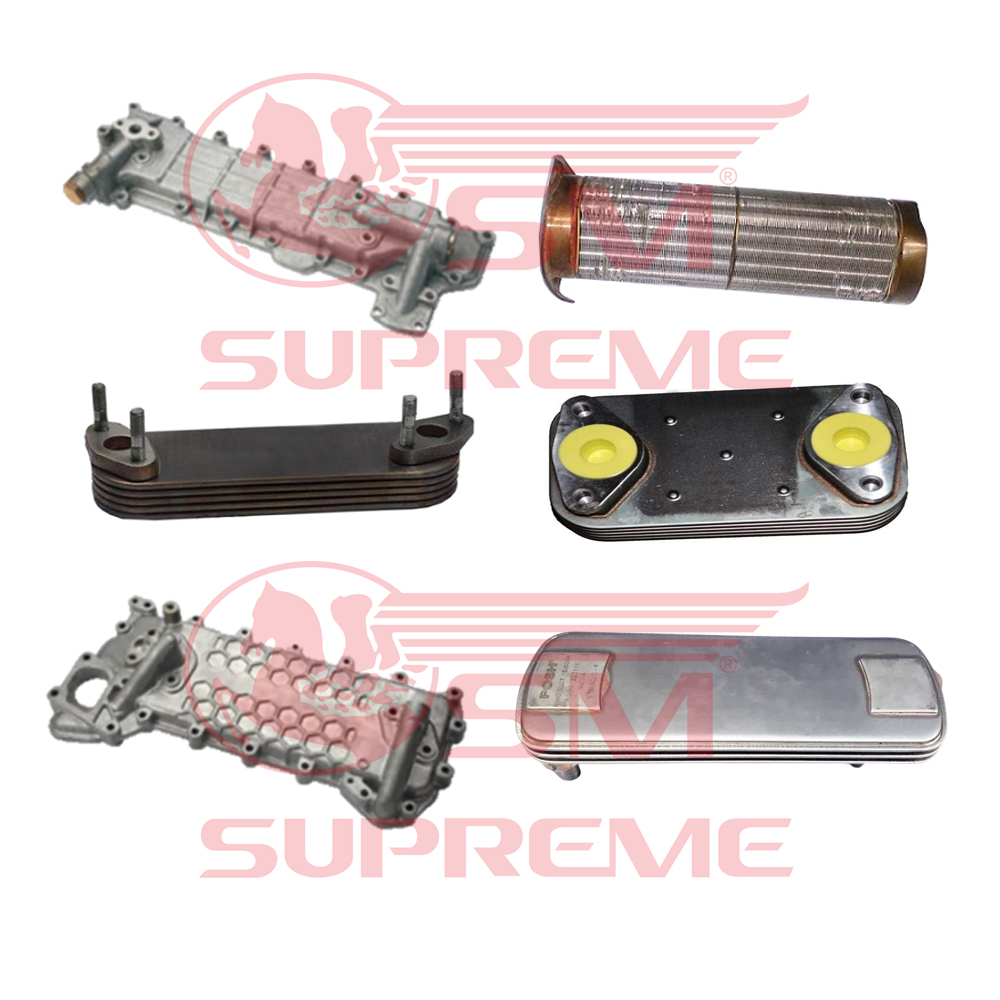


Tell us about your requirement

Price:
Quantity
Select Unit
- 50
- 100
- 200
- 250
- 500
- 1000+
Additional detail
Mobile number
Email

More Products in Oil Fuel And Air System Category
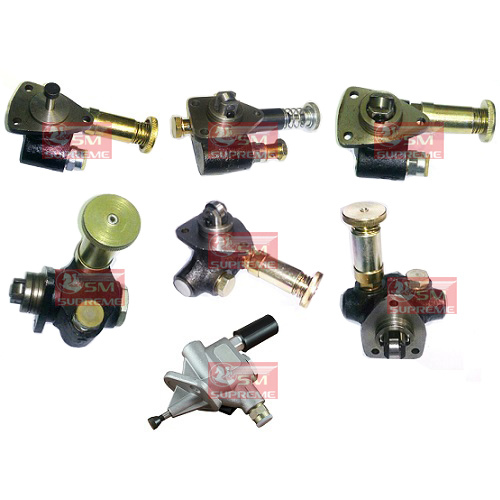
Automotive Feed Pumps
Price 1000.0 INR / Piece
Minimum Order Quantity : 1 Piece
Weight : 1200 Grams (g)
Product Type : Auto Feed Pump
Material : MS
For Use In : Auto Trucks
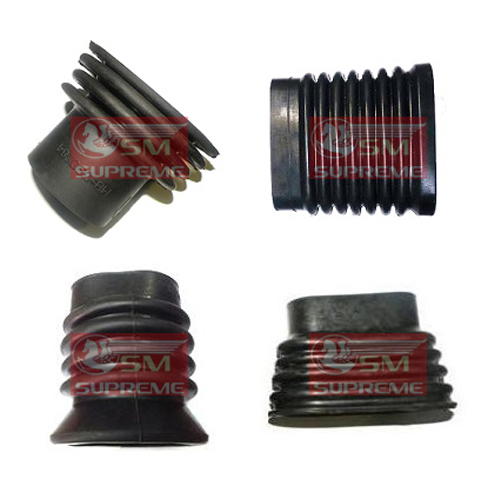
Automotive Air Intake Line Connector
Price 200.0 INR / Piece
Minimum Order Quantity : 1 Piece
Weight : 280 Grams (g)
Product Type : Auto Air Intake Hose
Material : RUBBER
For Use In : Auto Trucks
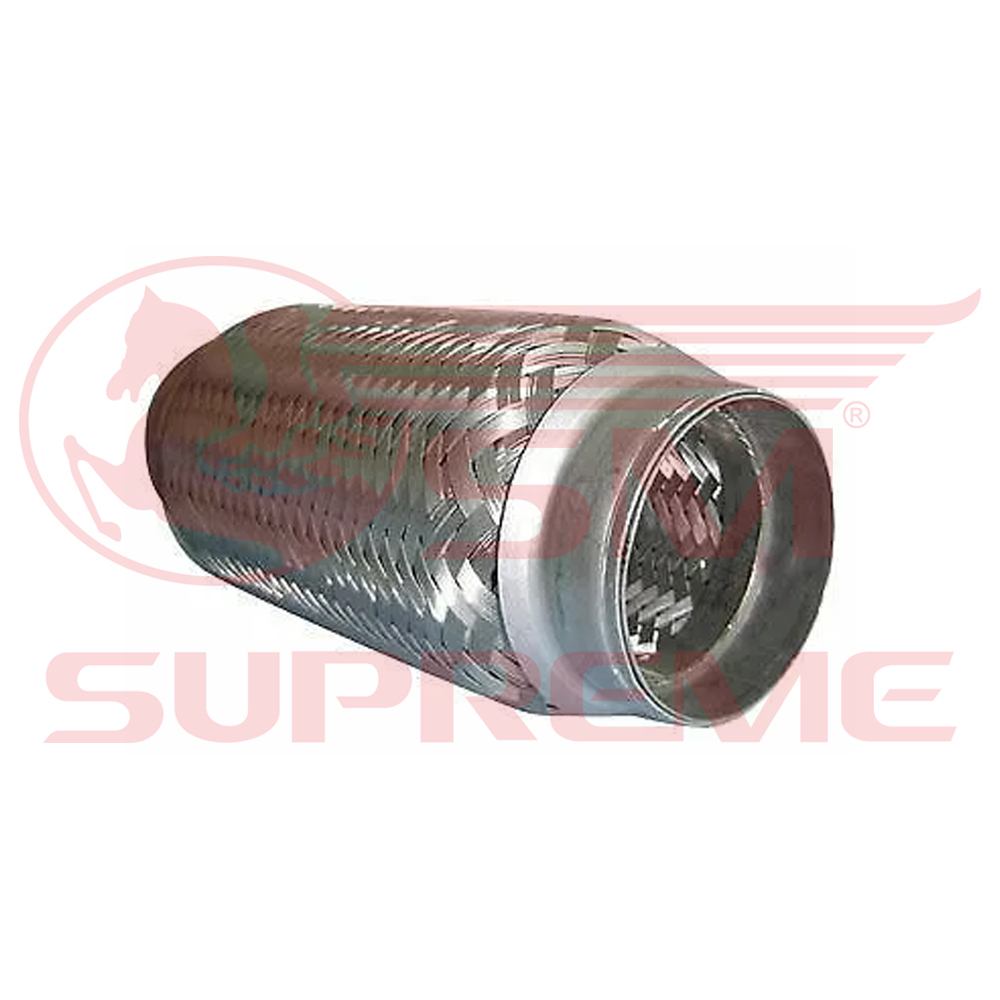
Automotive Exhaust Pipes
Price 500.0 INR / Piece
Minimum Order Quantity : 1 Piece
Weight : 450 Grams (g)
Product Type : Auto Exhaust Pipes
Material : MS
For Use In : Auto Trucks
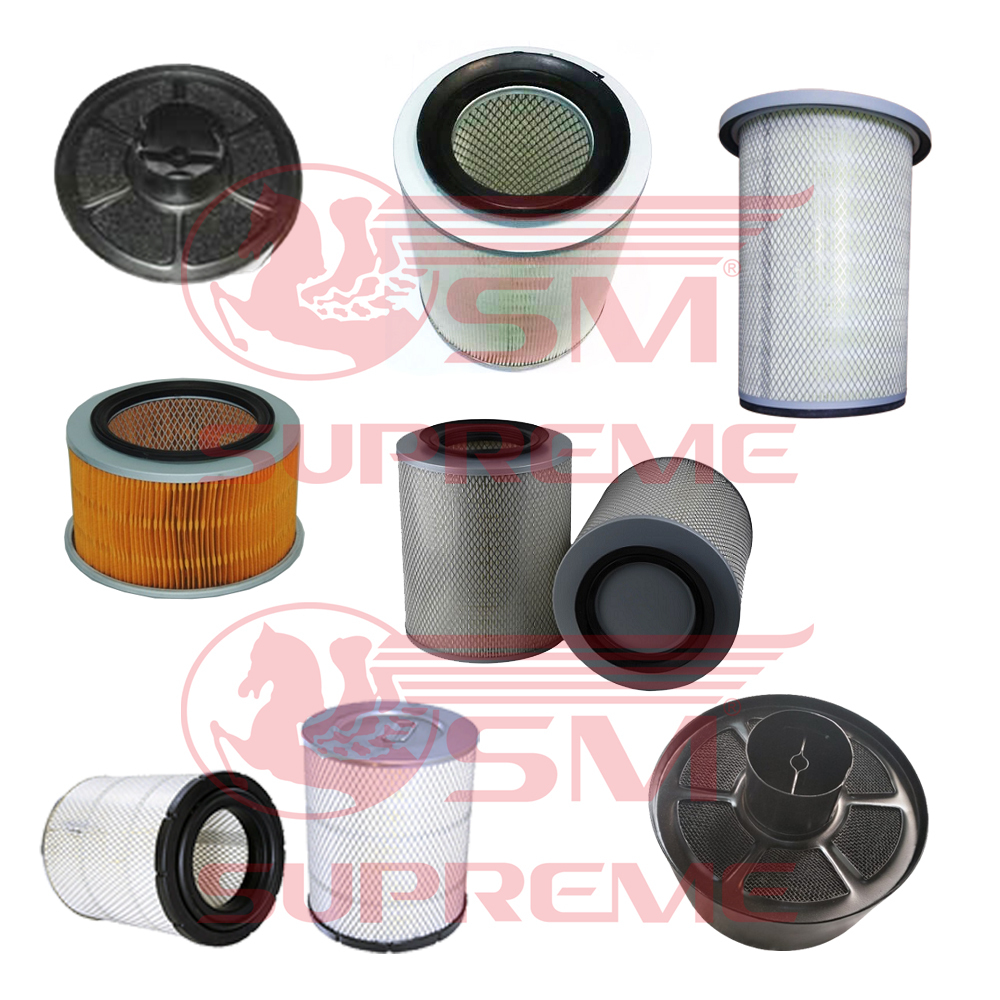
Automotive Air Filters
Price 900.0 INR / Piece
Minimum Order Quantity : 1 Piece
Weight : 2 Kilograms (kg)
Product Type : Auto Air Filters
Material : Paper, MS, Plastic
For Use In : Auto Trucks

Contact Us

- Rawal Building, 420, Lamington Road, Mumbai - 400004, Maharashtra, India
- Phone :91--9136081161

- Mr Huzefa Morbiwala
- Mobile :+919136081161
- sales@suprememotors.in
Categories

 Send Inquiry
 Send SMS
 Call Me Free
SUPREME MOTORS
All Rights Reserved.(Terms of Use)
Developed and Managed by Infocom Network Private Limited.
Developed and Managed by Infocom Network Private Limited.


 English
 Spanish
 French
 German
 Italian
 Chinese (Simplified)
 Japanese
 Korean
 Arabic
 Portuguese
