
 Send Inquiry
 +919136081161+919136081161

 Send Inquiry
Automotive Connecting Rod
Price 1750.0 INR/ Piece
MOQ : 5 Pieces
Automotive Connecting Rod Specification
- Inner Diameter
- As per Engine Specification
- Power Output
- Depends on Engine (Up to 600 HP)
- Other Features
- High Fatigue Strength, Precision Machined, Heat Treated
- Engine Type
- Petrol / Diesel / Gasoline
- Thread size
- As per OEM
- Mount Type
- Engine Assembly
- Fuel Type
- Multi-fuel Supported
- Load Capacity
- High Dynamic Load (Up to 9000 rpm Engines)
- Usage
- Engine Linking of Piston to Crankshaft
- Thickness
- As per Design
- Material Grade
- EN 8, EN 9, EN 24
- Cooling System
- Auto Connecting Rod
- Finish Type
- Shot Blasted / Polished
- Product Type
- Truck Engine Parts
- Parts Name
- Other
- Material
- Steel
- Application
- Automobile
- OE Number
- ACR-1012
- Size
- As per Specifications
- Dimensions
- Standard / Custom
- Weight
- 700g - 1.5kg (Depending on Engine)
- Power
- Up to Engine Specification
- Stroke
- Standard
- Head
- Big End / Small End
- Packaging Type
- Corrugated Export Boxes
- Pin Bore Diameter
- As per Engine Design
- Machining Tolerance
- 0.01 mm
- Connecting Rod Length
- As per Engine Requirement
- Hardness
- 30-40 HRC
- Corrosion Resistance
- Yes
- Surface Treatment
- Phosphated, Blackened, or OEM Specified
- Production Process
- Closed-Die Forged
- Big End Bore Diameter
- As per Engine Design
- Compatibility
- Passenger Vehicles, Commercial Vehicles, Tractors
Automotive Connecting Rod Trade Information
- Minimum Order Quantity
- 5 Pieces
- FOB Port
- As per requirements
- Supply Ability
- 2000 Pieces Per Month
- Delivery Time
- 30 Days
- Sample Available
- No
- Sample Policy
- Within a certain price range free samples are available
- Packaging Details
- Export Worthy
- Certifications
- ISO 9001:2015 Certified
About Automotive Connecting Rod
Mitsubishi Canter:4D31 , 4D32 old - ME012250 , ME012264;
4D32 , 4D33 , 4D34 without Turbo - ME012265 , ME240462 , ME240465;
4D34 Turbo , 4D35 - ME240964 , ME240966 , ME240967 , ME017106;
Fuso:
6D14 , 6D15 , 6D16 , 6D17 - ME072400 , ME072120 , ME070738 , ME072119 , ME072405;
6D14 , 6D15 , 6D16 , 6D17 - ME072401;
13201 59145;
Tata:
613 - 3521300216;
Isuzu:
4BE1 , 4BC2 - 5-12230-054-0;
4BD1 , 6BD1 - 5-12230-104-1 , 1-12230-104-1;
6BG1 - 1-12230-112-9;
4HF1 - 8-97135-032-1;
4HE1T , 4HK1 , 6HK1 - 8-94399-661-2;
Precision Engineering for High-Performance Engines
Our connecting rods are manufactured using closed-die forging and advanced machining processes to achieve exceptional strength, tight tolerances of 0.01 mm, and high fatigue resistance. Each rod is dimensioned according to your engine's specifications to ensure optimal fit and reliable power transmission, even under demanding conditions.
Versatile Application Across Multiple Vehicle Types
Designed for compatibility with passenger vehicles, commercial trucks, and tractors, our connecting rods feature materials and finishes suited for both standard and high-performance engines. The rods accommodate a wide range of sizes, engine types, and mounting requirements, making them ideal for diverse automotive and agricultural applications.
Enhanced Durability and Corrosion Resistance
Surface treatments such as phosphating and blackening, along with shot blasting or polishing, protect the rods against corrosion and wear. Coupled with a hardness rating of 30-40 HRC and premium steel construction, these enhancements ensure a long service life, even in challenging environments.
FAQ's of Automotive Connecting Rod:
Q: How are these automotive connecting rods manufactured to ensure precision and durability?
A: Each connecting rod is produced using closed-die forging followed by precision machining, which achieves a machining tolerance of 0.01 mm. The rods undergo surface treatments like phosphating or blackening (or as specified by OEM), heat treatment, and finishing processes such as shot blasting or polishing to maximize durability and corrosion resistance.Q: What vehicles and engine types are these connecting rods compatible with?
A: Our connecting rods are suitable for a broad range of engines, including petrol, diesel, and gasoline types, used in passenger cars, commercial vehicles, and tractors. They are custom-engineered to match specific engine requirements in terms of size, bore diameter, and mounting configurations.Q: When should I consider replacing my engine's connecting rod?
A: Connecting rods should be inspected during major engine overhauls or if symptoms of engine knocking, decreased performance, or visible damage are present. Early replacement ensures reliable engine operation and prevents costly damage caused by rod failure.Q: Where are these connecting rods typically installed in an engine?
A: These rods are integral to engine assemblies, connecting the piston to the crankshaft. The big end attaches to the crankshaft, while the small end connects to the piston pin, enabling efficient transmission of movement and power within the engine.Q: What is the process for selecting the right connecting rod for my engine?
A: Selection involves checking your engine's specific requirements, including length, bore diameters, weight, material grade, and finish type. Our rods are tailored to customer or OEM specifications to ensure precise fit and optimal performance in each application.Q: How does surface treatment benefit the automotive connecting rod's performance?
A: Surface treatments like phosphating and blackening enhance corrosion resistance, reduce friction, and improve the rod's overall lifespan, making it more reliable, especially under high-load and high-rpm engine conditions.Q: What are the key advantages of using these connecting rods in automotive engines?
A: Our rods offer high dynamic load capacity (up to 9000 rpm), support for engines up to 600 HP, superior fatigue strength, and precision manufacturing-all contributing to better engine reliability, improved performance, and extended service intervals.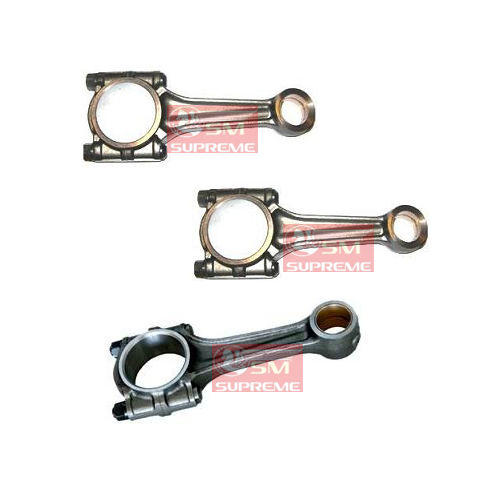
Tell us about your requirement

Price:
Quantity
Select Unit
- 50
- 100
- 200
- 250
- 500
- 1000+
Additional detail
Mobile number
Email

More Products in Engine Parts Category
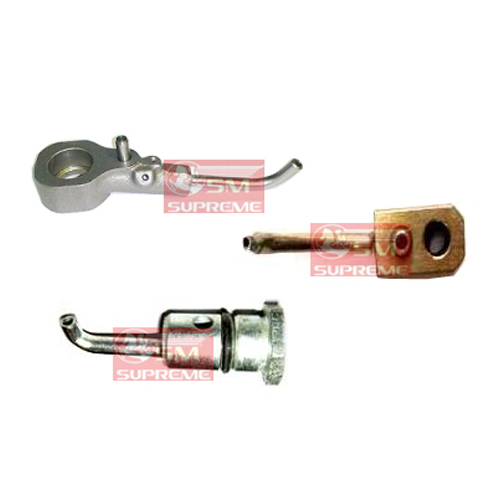
Automotive Oil Jet Nozzles
Price 400.0 INR / Piece
Minimum Order Quantity : 5 Pieces
Material : Iron, Steel
Parts Name : Other
Product Type : Truck Engine Parts
Application : Automobile
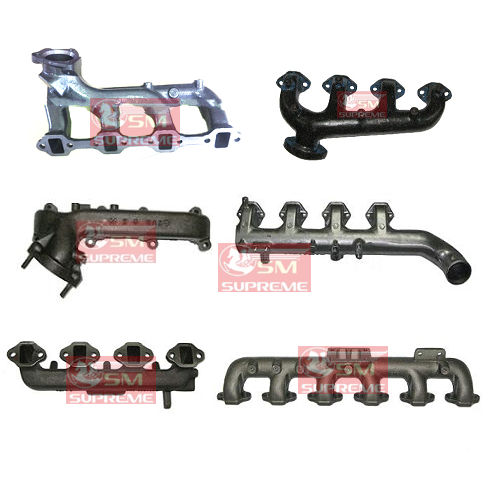
Automotive Manifolds
Price 4400.0 INR / Piece
Minimum Order Quantity : 1 Piece
Material : Rubber
Parts Name : Other
Product Type : Truck Engine Parts
Application : Automobile
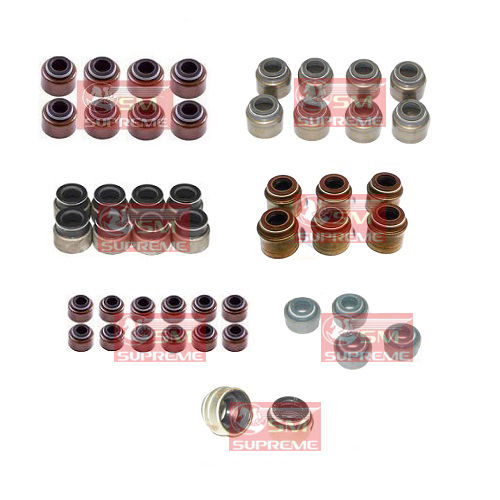
Automotive Engine Valve Oil Seals
Price 150.0 INR / Set
Minimum Order Quantity : 5 Sets
Material : Rubber
Parts Name : Other
Product Type : Truck Engine Parts
Application : Automobile
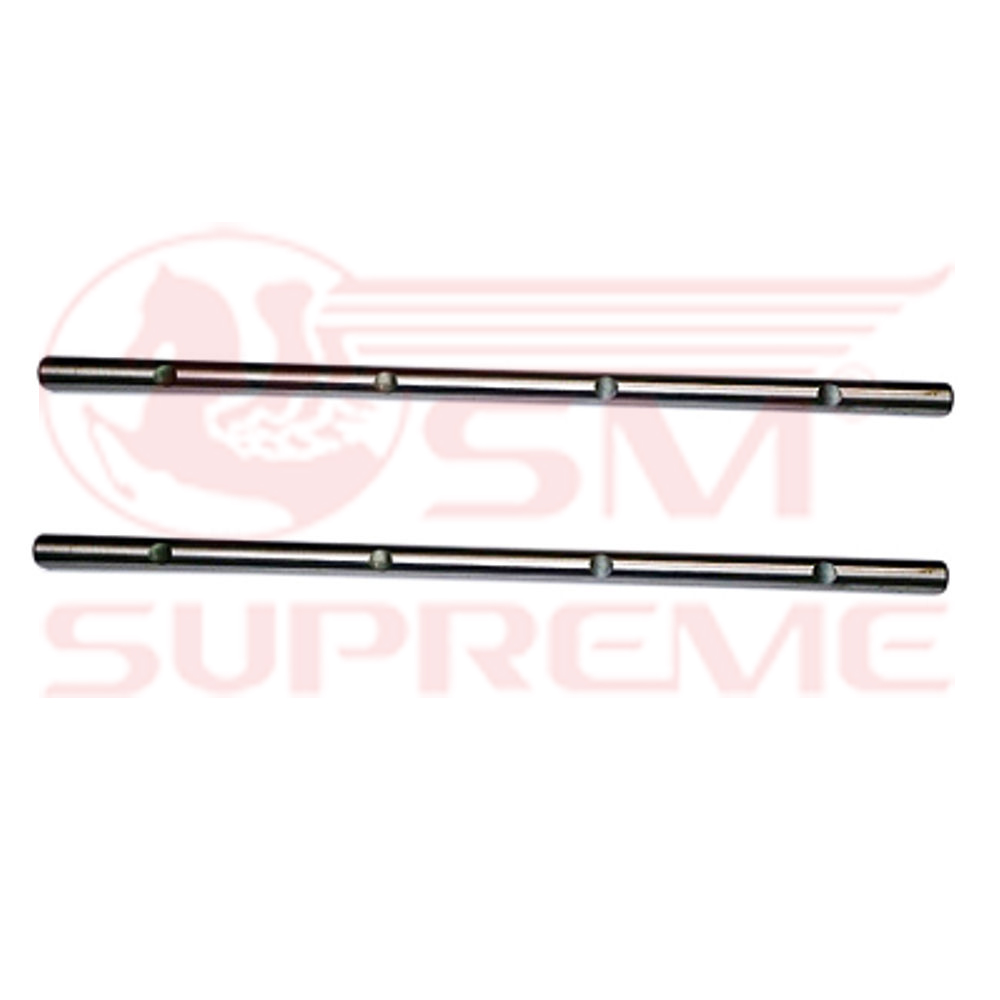
Rocker Shaft
Price 1000.0 INR / Piece
Minimum Order Quantity : 1 Piece
Material : Steel
Parts Name : Other
Product Type : Truck Engine Parts
Application : Auto Shaft Rocker

Contact Us

- Rawal Building, 420, Lamington Road, Mumbai - 400004, Maharashtra, India
- Phone :91--9136081161

- Mr Huzefa Morbiwala
- Mobile :+919136081161
- sales@suprememotors.in
Categories

 Send Inquiry
 Send SMS
 Call Me Free
SUPREME MOTORS
All Rights Reserved.(Terms of Use)
Developed and Managed by Infocom Network Private Limited.
Developed and Managed by Infocom Network Private Limited.


 English
 Spanish
 French
 German
 Italian
 Chinese (Simplified)
 Japanese
 Korean
 Arabic
 Portuguese
